Step 4 of 5 · On the way
Delivery times and late orders
Once an online shop accepts payment, section 36 of the Australian Consumer Law says it “must supply all the goods or services” within the period it specified at or before the time of payment, or within a reasonable time if it specified none, unless one of the two exceptions set out below applies. It must not take the payment at all if there are reasonable grounds to believe it can’t deliver in that time and it is aware, or ought reasonably to be aware, of them.
General information. This is general information, not legal advice. The official place to check is the ACCC, whose pages are linked at the foot of this page, or your state or territory consumer protection agency.
Section 36, subsection by subsection
The section is headed “Wrongly accepting payment”. Subsection (1) is quoted in full below; the others are summarised, with the Act’s own words in quotation marks, and each comes with what it means for a shop.
- (1)
“A person must not, in trade or commerce, accept payment or other consideration for goods or services if, at the time of the acceptance, the person intends not to supply the goods or services.”
Taking money for an order the shop never means to send.
- (2)
The same rule where, at the time of taking payment, the person intends to supply goods or services “materially different” from those paid for.
Planning to send something other than what was listed.
- (3)
The same rule where, at the time of taking payment, there are reasonable grounds for believing the goods can’t be supplied within the period specified, or within a reasonable time if none was, and the seller “is aware or ought reasonably to be aware of those grounds.”
Selling stock the shop knows, or should know, it can’t get in time.
- (4)
A person who accepts payment “must supply all the goods or services” within the period specified at or before the time of payment, or, if no period was specified, within a reasonable time.
The promised date, or a reasonable one, binds once the money is taken.
- (5)
Subsection (4) doesn’t apply if the failure was due to another person’s act or omission, or another cause beyond the person’s control, and if it “took reasonable precautions and exercised due diligence to avoid the failure.”
A genuine outside cause, with care taken to avoid it.
- (6)
Subsection (4) also doesn’t apply if the person offers different goods or services as a replacement and the customer agrees to receive them.
A substitute counts only with the customer’s yes.
The Act notes that a pecuniary penalty may be imposed for a contravention of subsections (1) to (4), and subsection (7) says they apply whether the payment taken was the whole price or only part of it, so a deposit counts.
What the delivery page should tell people
business.gov.au’s shipping guidance says an online store should tell customers what to expect, with delivery information that is easy to find and covers:
- shipping costs
- expected delivery times
- how customers can contact the shop if there’s a problem with their order
- when the shop will refund or replace an order, in rules that line up with the Australian Consumer Law.
When the shop already knows deliveries will run slow, such as in busy online shopping periods, the advice is to be upfront about timeframes so customers can decide when to order. A tracking number tells the customer where the order is and when to expect it, and helps settle disputes with the customer or the delivery company if a parcel is delayed or lost.
When the delay isn’t the shop’s fault
The ACCC gives two examples of delays outside a business’s control: unexpected delays in getting products or components from suppliers, and postal delays. Where the cause is beyond the business’s control and it didn’t know about it when the customer bought, the ACCC says the customer should give the business a chance to provide a solution, which for products may be a refund or a replacement.
A delay the shop knows about is different. A business aware of an issue outside its control that will delay supply needs to give clear and accurate information about:
- stock availability
- the likely timing of production and delivery
- what solutions it will provide if it can’t supply on time or within a reasonable time.
After the sale, the ACCC expects businesses to be proactive in updating customers about delays and the steps being taken to help. And business.gov.au is plain about the end point: if a shop can’t deliver a paid order within a reasonable time, it must offer a solution, and that may be a refund or a replacement.
Dropshipping: say where the stock is
The ACCC describes dropshipping as offering products the business doesn’t hold in stock, with agreements for other suppliers to fill its customers’ orders. It says such businesses should always give clear information about stock availability, where the stock is coming from, and the likely timing of delivery. The reason is practical: the business the customer buys from has no direct control over the stock, and goods shipped from overseas may take longer to arrive. Customers can ask a business whether it holds the stock itself. The tax side of dropshipping is in GST on imports and overseas sales.
Lost or damaged on the way
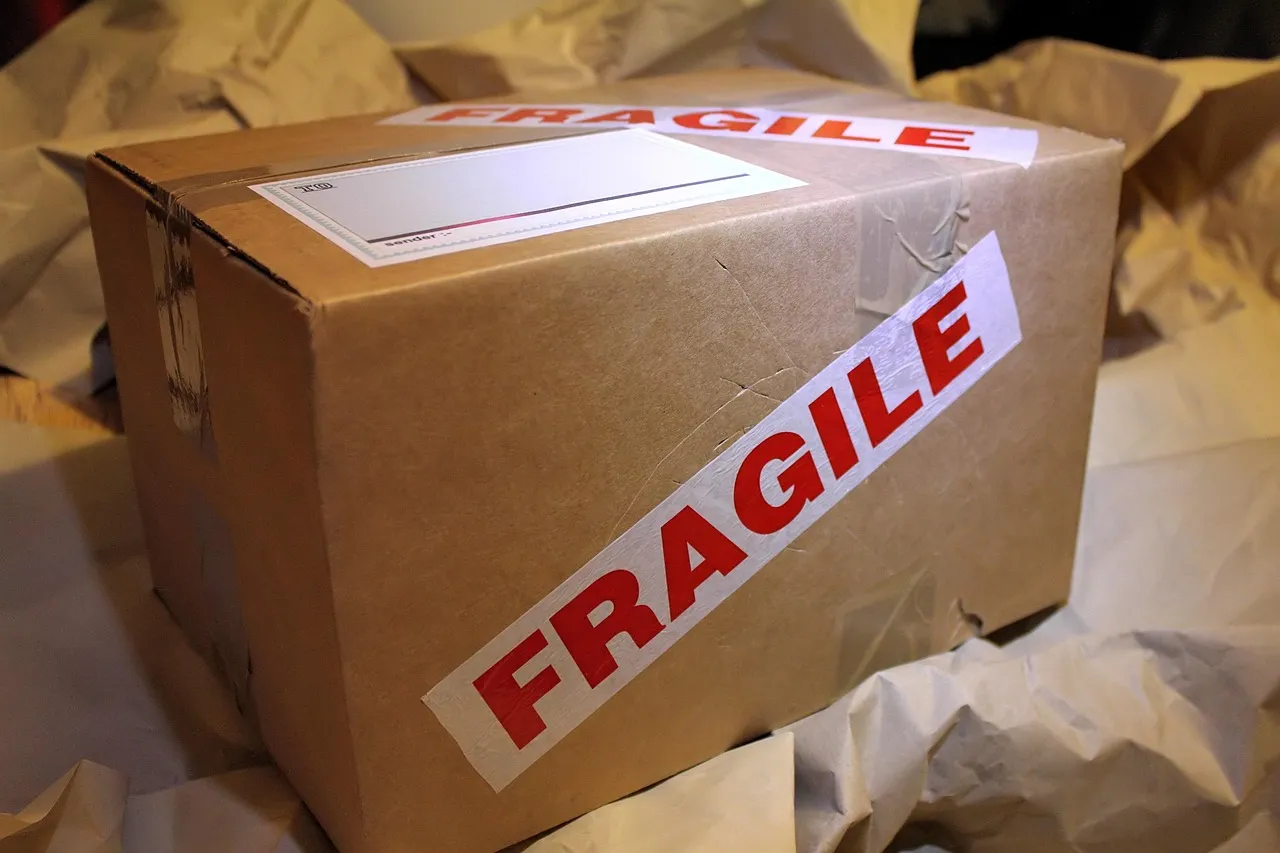
business.gov.au suggests treating a delivery provider like any other supplier, and reading its terms before buying extra insurance: whether it compensates for loss or damage, and the most it will pay. Shipping insurance covers the shop if a package is lost or damaged in delivery.
The customer has a route of their own. The ACCC notes that a card provider may reverse a charge in some situations where a consumer paid by credit card and didn’t receive the product, and that time limits may apply.
When the parcel does arrive and something is wrong with it, the order reaches its last stop: refunds and returns. A product that arrives unsafe is covered first in product safety for online sellers.